




Major labor union warns new bill could put retirement savings at risk
 WORLD
WORLD
 SUMMIT
 CPTL
CPTL
 GOLD
GOLD
 GMIX
GMIX
The fight over how the U.S. should regulate digital assets escalated this week after one of the country’s largest labor unions warned Congress that a new crypto bill could put retirement savings at risk.
At the same time, Wall Street is beginning to experiment with tokenized stocks, the very scenario unions say the legislation fails to control.
Tokenized stocks are digital versions of real company shares that live on a blockchain but still represent the same ownership and rights as traditional stock.
Related: What are tokenized stocks? Explained
AFT warns crypto market bill puts pensions at risk
The American Federation of Teachers (AFT), a 1.8-million-member union, urged the Senate Banking Committee to withdraw the Responsible Financial Innovation Act, calling it “as irresponsible as it is reckless,” according to a letter obtained by CNBC.
AFT President Randi Weingarten wrote:
“This bill exposes working families… to economic risk and threatens the stability of their retirement security.”

According to her, the bill would allow non-crypto companies to tokenize their stock, potentially slipping past existing securities rules.
If that happens, pension plans that buy what looks like ordinary corporate equity could unknowingly be holding blockchain-issued assets with different risks.
In her words:
“This loophole… will have disastrous consequences: Pensions and 401(k) plans will end up having unsafe assets even if they were invested in traditional securities.”
Weingarten also argued that the draft bill “strips the few safeguards that exist for crypto and erodes many protections for traditional securities,” and that it could “lay the groundwork for the next financial crisis.”
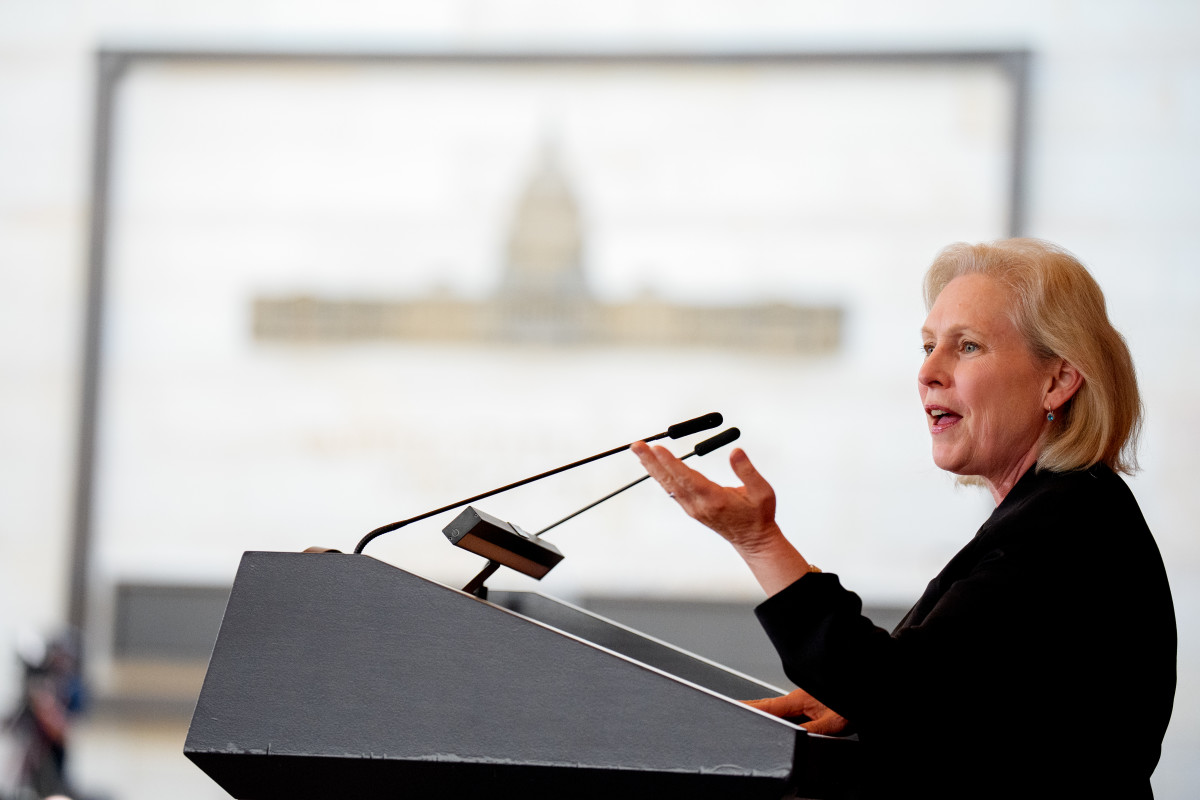
Lawmakers, meanwhile, say momentum is building. Speaking at the Blockchain Association Policy Summit this week, Sen. Kirsten Gillibrand said:
“Nothing is holding up this bill.”
Tokenized stocks arrive as Superstate opens the door
While AFT warns Congress about stock tokenization, a major fintech firm has already launched it.
On Wednesday, Superstate - founded by Compound creator Robert Leshner - unveiled its Direct Issuance Programs, letting SEC-registered public companies issue newly minted tokenized shares on Ethereum and Solana.
The program will allow companies to raise capital directly from investors paying in stablecoins, with tokens settling instantly and shareholder records updating onchain.
Superstate CEO Leshner said:
“Primary issuance needs rails that support instant settlement, transparent participation, and compliance by design - not bolted-on workarounds.”
The first tokenized-equity offerings are expected to go live in 2026.
In other words, the technology AFT is warning about is already here - and about to scale.
Related: What is tokenization? Explained
Washington races to finalize crypto rules
Between AFT’s pension warning, Superstate’s new capital-raising program, and regulators warming to tokenization, Congress now faces a tightening timeline.
Sen. Cynthia Lummis said the goal is to publish a draft this week and vote on it next week, as the Senate tries to reconcile versions of the crypto market-structure bill across committees.
But critics, including the AFT, AFL-CIO, several state regulators, and key Senate Democrats, argue that tokenized securities need more protections, not fewer.
Tokenized stocks promise faster settlement, lower costs, and programmable compliance. Unions fear those same features could open back doors into retirement portfolios.
The debate now sits exactly where the AFT, Wall Street, and Capitol Hill converge:
- Unions want strict guardrails.
- Firms like Superstate are already building the infrastructure.
- Congress is racing to write rules before the market outpaces regulation.
Whether tokenized equities become a safer upgrade to traditional finance or a new systemic risk may depend on how this bill is rewritten in the coming days.
