



Silver Price Declines Sharply as Fed Caution Fuels Higher-for-Longer Rate Fears
 BANK
BANK
 2024
2024
 BULLISH
 2024
2024
 HIGHER
BitcoinWorld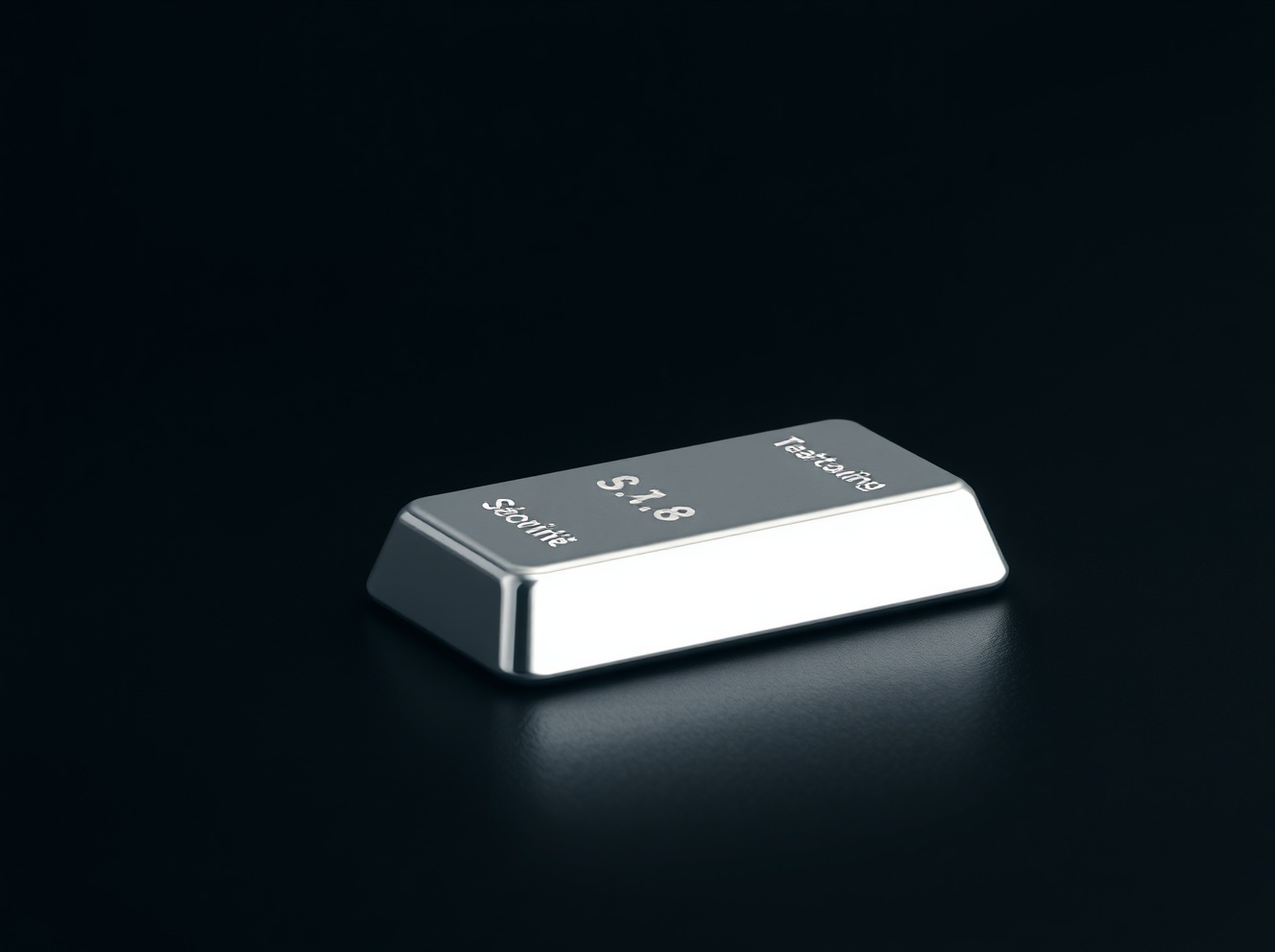
Silver Price Declines Sharply as Fed Caution Fuels Higher-for-Longer Rate Fears
Silver price declines have accelerated this week, driven by growing concerns over the Federal Reserve’s cautious stance and the prospect of higher-for-longer interest rates. The precious metals market is now grappling with a complex economic landscape, where inflationary pressures and robust employment data are challenging the timeline for monetary policy easing.
Fed Caution Weighs on Silver Price Declines
The primary catalyst for the recent silver price declines is the Federal Reserve’s increasingly cautious rhetoric. Recent minutes from the Fed’s latest meeting reveal a committee deeply divided on the pace of rate cuts. Policymakers express concern that progress on inflation has stalled, necessitating a prolonged period of restrictive monetary policy. This directly impacts silver, as higher interest rates increase the opportunity cost of holding non-yielding assets like precious metals. Consequently, investors are reallocating capital away from silver and toward yield-bearing instruments.
Furthermore, stronger-than-expected economic data, particularly in the services sector and labor market, reinforces the ‘higher-for-longer’ narrative. The Fed’s preferred inflation gauge, the core PCE price index, remains above the 2% target. This data point validates the Fed’s hesitation to cut rates aggressively. As a result, the US dollar has strengthened, creating additional headwinds for dollar-denominated silver prices.
Market Impact and Investor Sentiment
The immediate impact of this Fed caution is visible in the futures market. Open interest for silver futures has dropped, indicating a reduction in speculative bullish positions. Simultaneously, the net long positioning among hedge funds and money managers has contracted. This shift in sentiment reflects a broader market recalibration. Investors are now pricing in fewer rate cuts for 2025, which directly undermines the bullish thesis for silver.
Analysts at major investment banks have revised their short-term silver price forecasts downward. They cite the stronger dollar and rising real yields as key drags. However, many maintain a long-term bullish outlook, arguing that current price levels present a buying opportunity for patient investors. The divergence between short-term headwinds and long-term structural demand (for solar panels and electronics) creates a volatile trading environment.
Higher-for-Longer Rate Fears Dominate the Narrative
The phrase ‘higher-for-longer’ has become the dominant narrative in financial markets. For silver, this is particularly damaging. Unlike gold, which benefits from central bank buying and geopolitical hedging, silver has a significant industrial demand component. Higher rates slow economic activity, which in turn reduces industrial demand for silver. Key sectors like automotive manufacturing, electronics, and construction are sensitive to borrowing costs. A sustained period of high rates could dampen demand from these sectors, creating a double negative for silver: lower investment demand and lower industrial consumption.
Moreover, the US dollar index (DXY) has rallied to multi-month highs. A strong dollar makes silver more expensive for holders of other currencies, suppressing global demand. This currency effect amplifies the downward pressure from rising yields. The correlation between the DXY and silver price remains strong, and until the dollar weakens, silver price declines may persist.
Technical Analysis and Key Support Levels
From a technical perspective, silver price declines have breached several key moving averages. The 50-day moving average has given way, and the price is now testing support near the 100-day moving average. A decisive break below this level could open the door to a test of the $22.00 per ounce support zone. Conversely, a rebound from current levels would need to overcome resistance at the $24.00 level to signal a reversal. Trading volumes have increased on the downside, confirming the bearish momentum.
Key support levels to watch include:
- $22.50 per ounce: The 100-day moving average and a psychological support level.
- $22.00 per ounce: The 200-day moving average and a major support zone from Q4 2024.
- $21.50 per ounce: The August 2024 low, representing a critical floor.
On the upside, resistance levels are:
- $24.00 per ounce: The 50-day moving average and recent breakdown point.
- $25.00 per ounce: A key psychological barrier and the January 2025 high.
- $26.00 per ounce: The 2024 high, requiring a major shift in macro sentiment to retest.
Broader Economic Context and Central Bank Policies
The silver price declines are not occurring in a vacuum. They reflect a broader reassessment of global monetary policy. The European Central Bank (ECB) and the Bank of England (BoE) are also grappling with sticky inflation, delaying their own rate-cutting cycles. This synchronized global caution reduces the attractiveness of precious metals as an asset class. Furthermore, China’s economic slowdown, a major consumer of industrial silver, adds to the demand-side concerns. Weak manufacturing data from China suggests a muted outlook for silver consumption in the near term.
Central bank gold purchases remain robust, but this demand does not extend to silver. Central banks do not hold significant silver reserves. Therefore, the silver market is more reliant on private investment and industrial consumption, both of which are sensitive to interest rates. The divergence between gold and silver prices is widening, with the gold-to-silver ratio climbing above 85. This ratio often signals that silver is undervalued relative to gold, but it can also indicate a lack of conviction in the silver market.
Timeline of Key Events Impacting Silver Price
A chronological view of recent events helps contextualize the current silver price declines:
- January 2025: Strong US jobs report reduces expectations for a March rate cut. Silver price begins to slide from $24.50.
- February 2025: Fed minutes reveal caution; silver breaks below $24.00 support. CPI data remains elevated.
- March 2025: Fed Chair Powell’s testimony reinforces ‘higher-for-longer’ stance. Silver price declines accelerate, testing $23.00.
- Current: Market prices in only two rate cuts for 2025, down from four in December 2024. Silver trades near $22.80.
Expert Analysis and Future Outlook
Market strategists offer a mixed outlook for silver. The immediate headwinds from Fed caution and higher-for-longer rates are clear. However, several factors could reverse the silver price declines. A weaker-than-expected US jobs report or a sudden geopolitical crisis could reignite safe-haven demand. Additionally, the growing adoption of solar energy and electric vehicles provides a structural demand floor for silver. The International Energy Agency (IEA) projects a significant increase in silver demand from photovoltaic manufacturing through 2030.
Therefore, while the short-term outlook is bearish, the long-term fundamentals remain intact. Investors are advised to watch the upcoming US CPI and PPI data releases closely. Any signs of disinflation could trigger a sharp reversal in the silver price. Until then, the market is likely to remain under pressure, with silver price declines persisting as the dominant trend.
Conclusion
In conclusion, silver price declines are a direct consequence of Fed caution and the market’s absorption of higher-for-longer rate fears. The combination of a stronger dollar, rising real yields, and diminished rate-cut expectations creates a challenging environment for the precious metal. While industrial demand offers a long-term support, the immediate macro headwinds are powerful. Investors should monitor upcoming economic data and Fed communications for any shift in tone. The current correction may present a buying opportunity for long-term holders, but short-term volatility is likely to remain elevated. The focus keyword, silver price declines, captures the essence of this market movement.
FAQs
Q1: Why are silver price declines happening now?
A1: Silver price declines are primarily driven by the Federal Reserve’s cautious stance on interest rates. The prospect of ‘higher-for-longer’ rates increases the opportunity cost of holding silver, which doesn’t pay interest, leading investors to sell.
Q2: How does Fed caution affect silver prices?
A2: Fed caution signals that interest rates will remain high for an extended period. This strengthens the US dollar and raises bond yields, both of which are negative for silver prices as they reduce the metal’s appeal as an alternative investment.
Q3: What is the ‘higher-for-longer’ rate scenario?
A3: The ‘higher-for-longer’ scenario refers to the expectation that the Federal Reserve will keep interest rates elevated for a prolonged period to combat persistent inflation. This scenario is bearish for precious metals like silver.
Q4: Is this a good time to buy silver?
A4: For long-term investors, the current silver price declines may represent a buying opportunity, given strong industrial demand from sectors like solar energy. However, short-term volatility is high, and further declines are possible if macro conditions worsen.
Q5: What key economic data should I watch for silver?
A5: Key data includes US CPI and PPI inflation reports, non-farm payrolls (jobs data), and the Fed’s dot plot projections. Signs of cooling inflation or a weakening labor market could reverse the current silver price declines.
This post Silver Price Declines Sharply as Fed Caution Fuels Higher-for-Longer Rate Fears first appeared on BitcoinWorld.
