



Trump’s Stark Warning: Military Escalation Looms if Iran Nuclear Deal Collapses
 TRUMP
TRUMP
 DJT
DJT
 PRESIDENT TRUMP
 DON
DON
 TRUMP2024
BitcoinWorld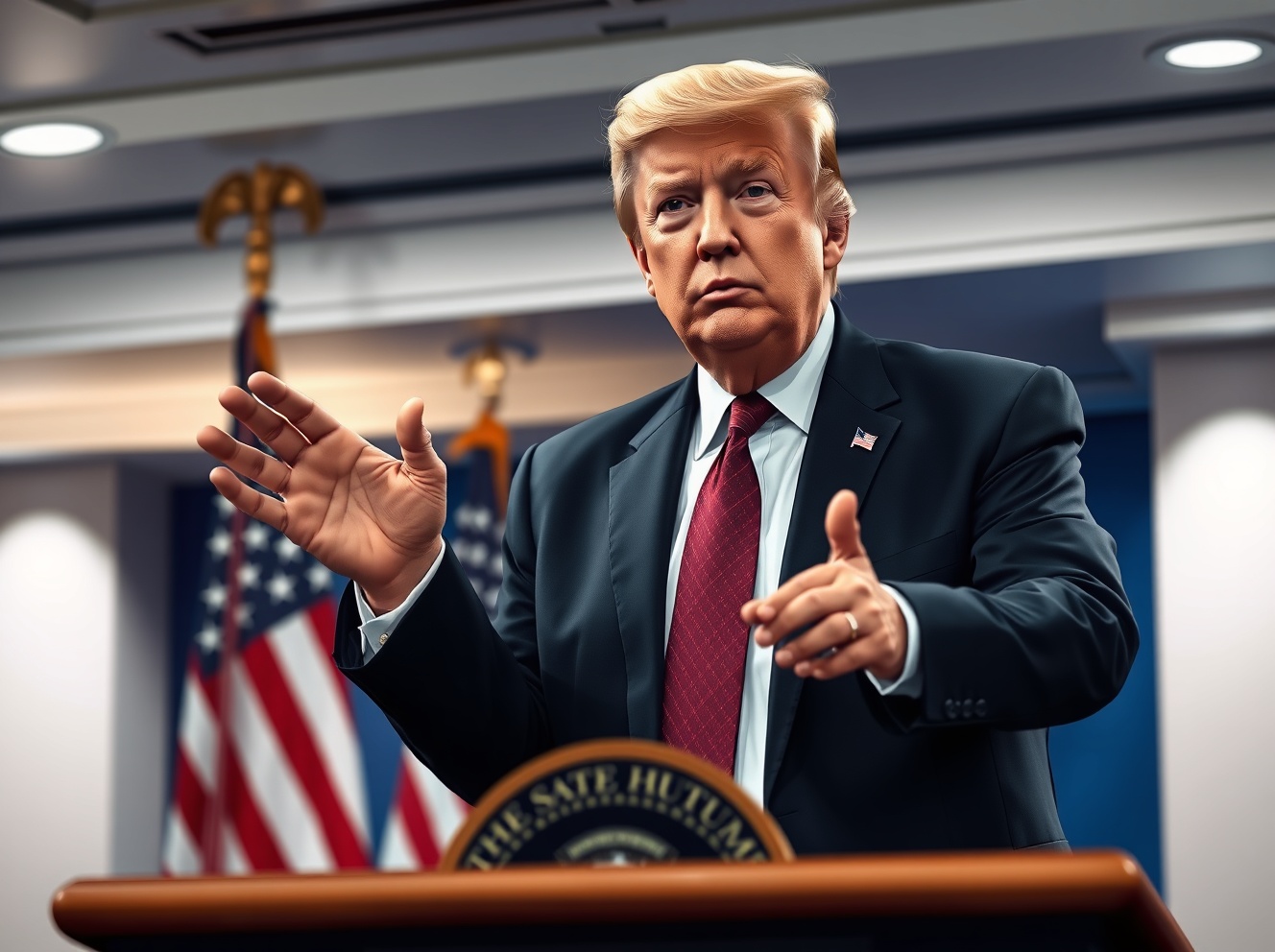
Trump’s Stark Warning: Military Escalation Looms if Iran Nuclear Deal Collapses
WASHINGTON, D.C. — President Donald Trump issued a stark warning this week about potential military escalation if diplomatic efforts with Iran fail. The President emphasized that the United States would consider stronger military responses should the Iran nuclear deal collapse completely. This statement comes amid ongoing tensions in the Middle East and represents a significant development in US foreign policy.
Trump’s Military Warning on Iran Deal Failure
President Trump delivered his warning during a White House press briefing on Tuesday. He specifically referenced the Joint Comprehensive Plan of Action (JCPOA), commonly known as the Iran nuclear deal. The President stated that diplomatic solutions remain the preferred approach. However, he clearly outlined military alternatives should negotiations fail to produce acceptable outcomes.
This warning follows months of escalating tensions between Washington and Tehran. The Trump administration has consistently criticized the 2015 nuclear agreement. Officials argue the deal failed to address Iran’s ballistic missile program adequately. They also claim it didn’t sufficiently limit Tehran’s regional influence.
The President’s statement represents a notable shift in rhetoric. Previously, administration officials focused primarily on economic pressure through sanctions. Now, military options appear more prominently in public discussions. This development concerns many international observers who fear regional destabilization.
Historical Context of US-Iran Relations
Understanding current tensions requires examining decades of complex history. US-Iran relations have experienced numerous crises since the 1979 Iranian Revolution. The nuclear issue emerged prominently in the early 2000s. International concerns grew about Iran’s uranium enrichment activities.
The Obama administration pursued diplomatic channels vigorously. This effort culminated in the 2015 JCPOA agreement. The deal involved the United States, United Kingdom, France, Germany, Russia, and China. It imposed strict limits on Iran’s nuclear program in exchange for sanctions relief.
President Trump withdrew from the agreement in May 2018. His administration then implemented a “maximum pressure” campaign. This strategy involved reinstating and expanding economic sanctions. The goal was to force Iran into negotiating a more comprehensive agreement.
Key developments in the timeline include:
- 2015: JCPOA signed after years of negotiations
- 2018: US withdrawal from nuclear agreement
- 2019: Iran begins incremental violations of JCPOA limits
- 2020: US drone strike kills Iranian General Qasem Soleimani
- 2021: Indirect negotiations resume in Vienna
Expert Analysis of Military Implications
Security analysts express concern about potential military escalation. Dr. Sarah Johnson, a Middle East security specialist at Georgetown University, explains the risks. “Military confrontation would have devastating regional consequences,” she notes. “Both sides possess significant capabilities that could trigger broader conflict.”
Iran maintains substantial conventional forces and asymmetric warfare capabilities. The country has developed advanced missile systems with increasing ranges. Iranian-backed militias operate throughout the Middle East. These groups could target US interests regionally if hostilities escalate.
The United States maintains substantial military assets in the region. Fifth Fleet headquarters operates from Bahrain. US Central Command oversees operations across the Middle East. American forces maintain presence in Iraq, Syria, and several Gulf states.
Military experts identify several potential flashpoints:
- Strait of Hormuz: Critical chokepoint for global oil shipments
- Persian Gulf: Location of numerous naval incidents in recent years
- Iraq and Syria: Areas where US and Iranian-backed forces operate in proximity
- Yemen: Site of ongoing conflict with Iranian-supported Houthi forces
Regional Security Implications and Responses
Regional powers have reacted cautiously to President Trump’s warning. Gulf Cooperation Council (GCC) states maintain complex relationships with both Washington and Tehran. Saudi Arabia and the United Arab Emirates generally support tougher approaches toward Iran. However, they also fear being caught in direct military confrontation.
Israel has consistently advocated for strong action against Iran’s nuclear program. Prime Minister Benjamin Netanyahu praised President Trump’s firm stance. Israeli officials have repeatedly stated they would prevent Iran from obtaining nuclear weapons. The country maintains military capabilities for potential strikes against Iranian facilities.
European powers express concern about renewed tensions. France, Germany, and the United Kingdom remain committed to the JCPOA framework. They continue efforts to preserve the agreement despite US withdrawal. European diplomats work to de-escalate tensions through diplomatic channels.
Russia and China, as JCPOA signatories, criticize US policy toward Iran. Both countries maintain economic and military relationships with Tehran. They advocate for diplomatic solutions and oppose unilateral American actions.
Economic and Energy Market Impacts
Potential military escalation carries significant economic implications. The Strait of Hormuz handles approximately 20% of global oil consumption. Disruption there would immediately affect energy markets worldwide. Oil prices typically spike during periods of heightened US-Iran tensions.
Global shipping companies already face increased insurance costs in the region. Several incidents have occurred in recent years involving tankers. These include alleged attacks and seizures that raised maritime security concerns.
Iran’s economy continues struggling under US sanctions. The country faces high inflation and currency depreciation. However, Tehran has developed methods to circumvent some restrictions. These include oil shipments through indirect channels and expanded trade with neighboring countries.
Comparative economic indicators show:
| Indicator | 2017 (Pre-Sanctions) | Current Status |
|---|---|---|
| Oil Exports | 2.5 million barrels/day | Approximately 400,000 barrels/day |
| Inflation Rate | 9.6% | Over 40% |
| Currency Value | 35,000 rial/USD | Over 300,000 rial/USD |
Diplomatic Pathways and Negotiation Status
Despite military warnings, diplomatic efforts continue through various channels. European mediators maintain communication with both Washington and Tehran. The International Atomic Energy Agency (IAEA) continues monitoring Iran’s nuclear activities. Regular reports document Tehran’s compliance with remaining JCPOA elements.
The Biden administration initially sought to rejoin the nuclear agreement. However, negotiations stalled over several sticking points. These include the sequence of sanctions relief and nuclear restrictions. Iran demands guarantees against future US withdrawals from any agreement.
Recent months have seen limited progress in indirect talks. Both sides appear entrenched in their positions. The Trump administration’s latest statements may represent increased pressure tactics. Alternatively, they could signal genuine preparation for military options.
Several confidence-building measures could potentially reduce tensions:
- Humanitarian exchanges: Prisoner swaps or medical deliveries
- Regional dialogue: Gulf security discussions involving multiple parties
- Technical agreements: Specific nuclear monitoring arrangements
- Military communications: Hotlines to prevent accidental escalation
Conclusion
President Trump’s warning about potential military response marks a critical moment in US-Iran relations. The statement reflects ongoing frustration with diplomatic efforts regarding Iran’s nuclear program. Regional stability hangs in balance as both sides consider their next moves. Military escalation would have profound consequences for global security and energy markets. However, diplomatic pathways remain available despite current tensions. The international community watches closely as this high-stakes situation develops. The Trump Iran military response warning serves as both pressure tactic and genuine policy statement. Its implementation would fundamentally reshape Middle Eastern security dynamics.
FAQs
Q1: What exactly did President Trump say about military action against Iran?
President Trump warned that the United States would consider stronger military responses if diplomatic efforts with Iran fail completely, particularly regarding the nuclear agreement.
Q2: Why does the US consider the Iran nuclear deal inadequate?
US officials argue the agreement doesn’t sufficiently address Iran’s ballistic missile program, doesn’t have strong enough verification mechanisms, and doesn’t limit Tehran’s regional activities.
Q3: How has Iran responded to President Trump’s warning?
Iranian officials have denounced the statement as “dangerous rhetoric” and emphasized their right to self-defense while maintaining that diplomacy should prevail.
Q4: What military capabilities does Iran possess that concern US officials?
Iran maintains substantial missile forces, asymmetric warfare capabilities through regional proxies, naval forces that could threaten shipping, and advancing drone technology.
Q5: How are other countries responding to this development?
European powers urge diplomatic solutions, Gulf states express concern about regional stability, Israel supports firm action, while Russia and China criticize US policy and advocate for preserving the nuclear agreement.
This post Trump’s Stark Warning: Military Escalation Looms if Iran Nuclear Deal Collapses first appeared on BitcoinWorld.
