




Uber may rollout electric bikes in South Africa, 2 years after Kenyan launch
 SFT
SFT
 WOULD
WOULD
Uber is considering exploring electric bikes for its Moto service in South Africa as demand for low-cost mobility continues to grow across major cities. The company said it is studying how e-bikes could fit into its existing two-wheel offering, which has expanded rapidly over the past year.
The plan comes as more riders choose motorcycles for short trips due to rising transport costs and heavy traffic in urban areas. Uber Moto, which launched as a cheaper alternative to its car-based services, has recorded steady adoption in townships and high-density communities.
Uber’s team in South Africa confirmed that it is testing different models internally to understand how electric options could support reliability, pricing, and availability for riders who depend on the service for daily movement.
Also read: Uber goes Electric in SA
Building a cheaper and faster transport layer
Introducing electric bikes would allow Uber to operate a larger fleet at lower costs while cutting maintenance, thus reducing the cost of completing trips. It will also help serve areas where riders struggle with limited transport, especially during morning and evening rush hours.
The company said the growing demand for Moto trips shows that many commuters still prefer two-wheel options for short errands, market runs, and neighbourhood-to-neighbourhood travel.
An electric model could widen access further by keeping fares predictable during fuel price swings.
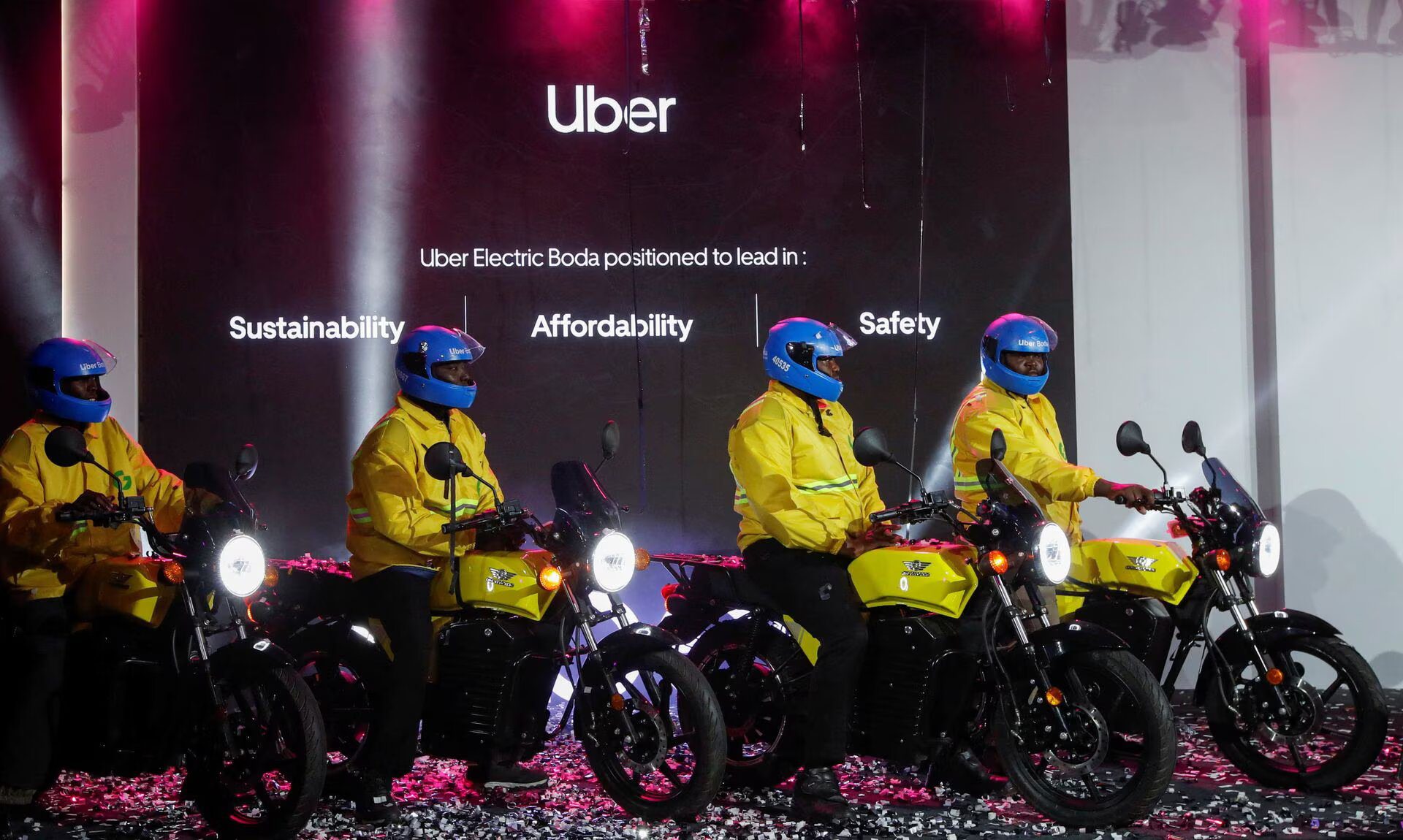
South Africa has seen a rise in mobility services that rely on motorcycles, with logistics companies and delivery platforms expanding similar fleets over the past three years. This trend has given ride-hailing firms more confidence to explore new formats that match local commuting patterns.
What an electric rollout could change
If Uber proceeds with the rollout, the biggest shift will likely be how drivers manage daily operations. Electric bikes would reduce refuel stops, lower maintenance needs, and improve uptime for active drivers.
However, the company would still need to solve challenges around charging points, battery swaps, and the cost of acquiring electric models.
Key considerations include:
• Charging and battery-swap infrastructure in high-traffic zones
• Financing plans for drivers to access electric bikes
• Range limits on a single charge during peak demand hours
• Safety standards for electric two-wheelers on major roads
• Training riders on maintenance and battery handling

A transition to electric bikes could also encourage more short-distance trips if fares remain competitive, particularly in suburbs where motorcycle taxis have already gained acceptance. For city authorities, a wider electric fleet may help reduce noise and engine emissions in crowded districts.
Uber has not given a timeline for a rollout but said consultations and internal assessments are ongoing as it evaluates how electric mobility can fit into its broader strategy in South Africa.
