



US Government Sent 2.4 BTC to Coinbase While Still Holding 328K BTC
 GREED
GREED
 D2D
D2D
 READ
READ
 RSRV
RSRV
 WOULD
WOULD
The U.S. government transferred 2.4 BTC to Coinbase, a move worth roughly $177,000 at current prices. The amount is a rounding error next to the approximately 328,000 BTC the government still holds, but the transaction drew immediate attention from on-chain watchers tracking federal wallet activity.
What Triggered the 2.4 BTC Transfer to Coinbase
Two wallets linked to U.S. government seized assets moved a combined 2.4 BTC to Coinbase Prime on April 10, according to on-chain tracking data. The funds are tied to the Glenn Olivio confiscation case, which appears in the public Timechain Index USG table with a recorded balance of approximately 2.44 BTC.
At Bitcoin's current spot price of $72,792, the transfer carried a value of roughly $177,000. Bitcoin was up about 0.9% over the prior 24 hours at the time of the move.
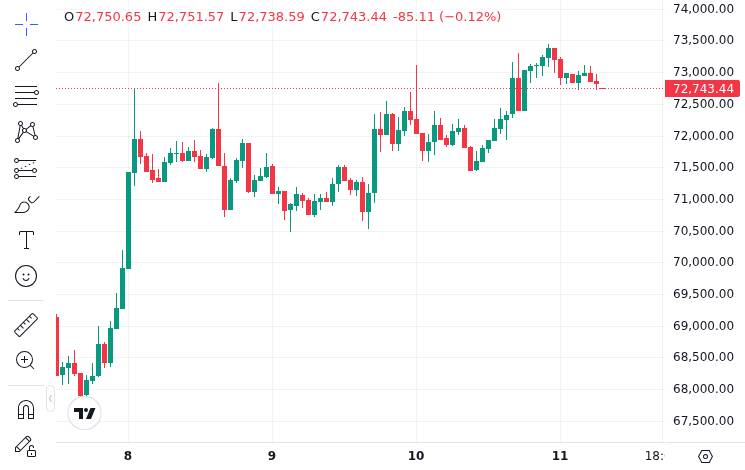
The specific transaction hashes for the April 10 transfer have not been independently confirmed through a block explorer, according to unconfirmed reports from multiple crypto news outlets that cited on-chain data without publishing explorer links.
Why 2.4 BTC Barely Registers Against 328K BTC in Federal Holdings
The U.S. government's total Bitcoin holdings stood at 328,348 BTC as of the last publicly available update on March 3, 2026. At current prices, that stockpile is worth roughly $23.9 billion.
The 2.4 BTC transfer represents approximately 0.00073% of the total balance. To put this in perspective, the government's remaining Bitcoin position is large enough to rank it among the biggest single-entity holders in the world, a topic that has driven discussion among Bitcoin whales rebuilding the bull case in recent weeks.
Whether the reported holdings figure already accounts for the April 10 outflow is unclear. The Timechain Index historical file was last updated on March 3, meaning the 328,348 BTC number predates this transfer by over five weeks.
Why Small Government Transfers Still Move Markets
Government wallet movements attract outsized attention because of what they might signal about policy intent. When the White House signed the executive order establishing the Strategic Bitcoin Reserve in March 2025, it stated that forfeited government BTC should capitalize the reserve and that Bitcoin deposited into the reserve shall not be sold.
Any transfer to an exchange like Coinbase Prime raises questions about whether seized funds are being liquidated or simply custodied. This particular move involved funds from a specific confiscation case rather than the broader reserve, but the distinction is often lost in initial market reactions. The Fear and Greed Index sat at 15, deep in "Extreme Fear" territory, a backdrop where even minor government activity can amplify existing nervousness around Bitcoin network activity.
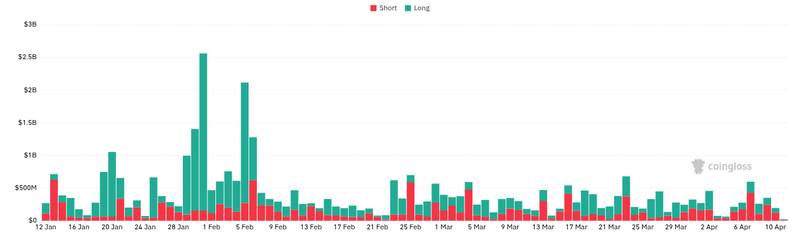
Traders monitoring government-linked wallets treat exchange-bound transfers as potential sell signals, regardless of size. The pattern has repeated throughout 2025 and 2026: a small federal transfer surfaces on chain, social media amplifies the headline, and short-term volatility follows even when the actual amount is negligible.
The strategic reserve policy complicates this dynamic. If the Glenn Olivio funds fall under the reserve framework, selling them would contradict the executive order's no-sale provision. If they fall outside it, the government retains discretion to liquidate. No official statement has clarified which category applies to this specific 2.4 BTC transfer, leaving the market to speculate while broader crypto industry events compete for attention.
Disclaimer: This article is for informational purposes only and does not constitute financial or investment advice. Cryptocurrency and digital asset markets carry significant risk. Always do your own research before making decisions.
Read original article on coinlineup.com