Ethereum co-founder Vitalik Buterin has laid out three top priorities, quantum resistance, privacy and scalability, in a new roadmap steering the network through 2029. Key Points: Buterin's "
Ethereum co-founder Vitalik Buterin has laid out three top priorities, quantum resistance, privacy and scalability, in a new roadmap steering the network through 2029.
Key Points:
- Buterin's "Lean Ethereum" strawmap names quantum resistance, privacy and scalability as core goals through 2029.
- The upgrades would span three to four years and touch nearly every layer of the network.
- Researchers back the vision but question whether the timeline is realistic.
Buterin Details Lean Ethereum
Buterin posted the strawmap to X on Saturday, presenting it as a working draft rather than a settled plan.
The blueprint runs from 2026 through 2029 and reaches nearly every layer of the network. He compared its scope to the September 2022 Merge, which moved Ethereum from energy-intensive proof-of-work mining to a proof-of-stake system.
The draft caps months of quieter work, including a researcher gathering in Berlin two weeks ago and earlier talks with client teams in Svalbard. Buterin framed the coming changes as structural rather than cosmetic, a signal that Lean Ethereum aims to reshape the base protocol, not merely tune it.
Also Read:Bitcoin Holds $62K As HYPE And ADA Ignite Weekend Crypto Rebound
Quantum Safety Leads Priorities
Quantum safety climbed sharply up the agenda, and Buterin called a quantum-safe fix for blobs urgent. Blobs store bulk rollup data far more cheaply than ordinary transactions, so their long-term security sits near the center of Ethereum's scaling plans. Work on quantum-safe blob designs has already run for several months.
Privacy now ranks as a first-class goal rather than an afterthought, a notable shift for a network long focused on scaling and decentralization. Buterin also backed a new virtual machine, with leanISA and RISC-V among the leading candidates for programmable privacy and stronger scaling.
Experts Question Ethereum Timeline
Dankrad Feist, a researcher behind the payments blockchain Tempo, welcomed the plan but argued its three-to-four-year timeline runs too slow. He suggested AI-assisted development could compress the same work into roughly a year. That claim shifts the debate toward coordination and resources rather than raw engineering difficulty.
Crypto analyst Ignas Fiodorovas backed the goals yet doubted the foundation can hold to its dates, citing a history of slipped deadlines.
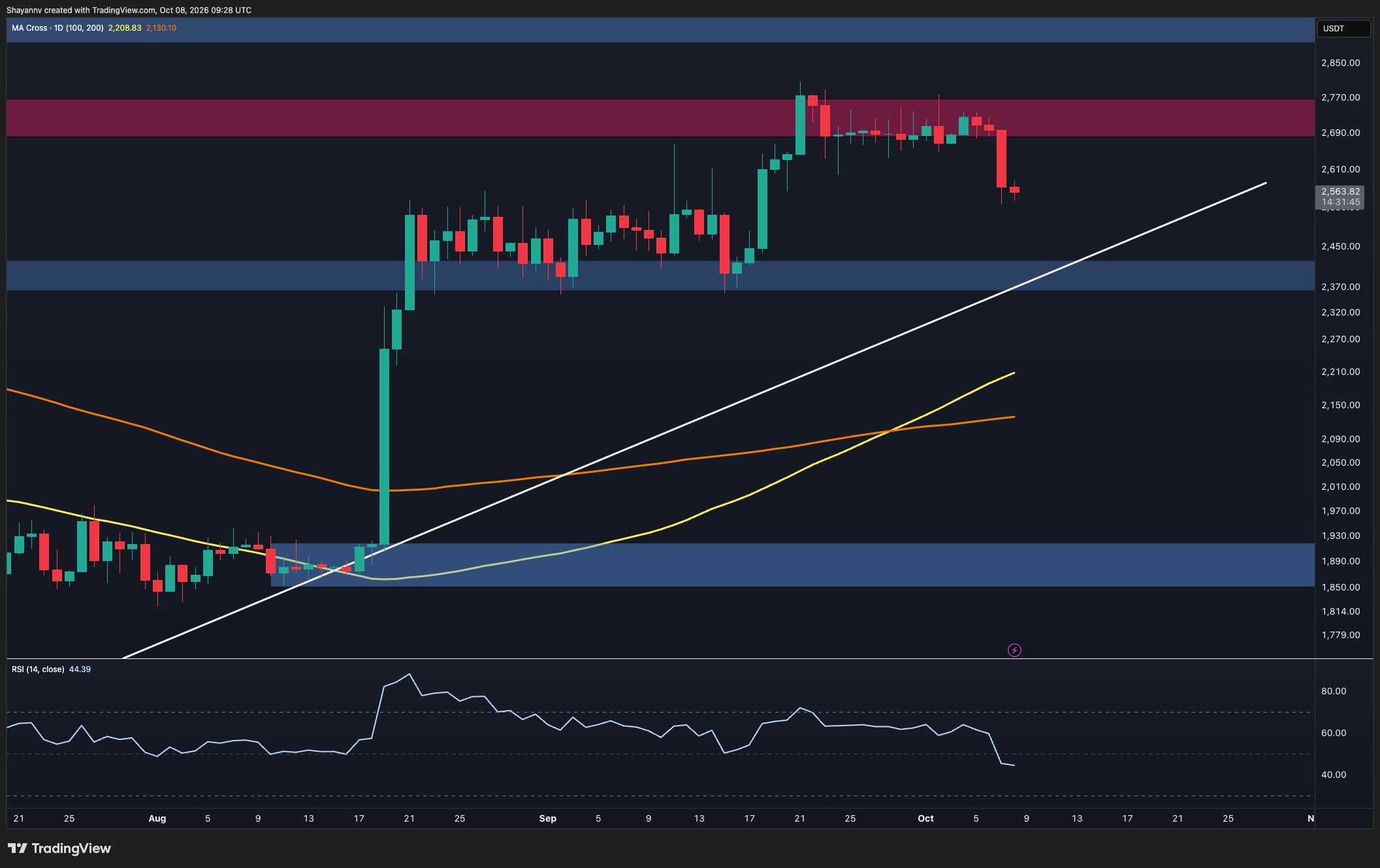
He also flagged weak tokenomics for Ether(ETH) as the plan's clearest gap, a worry sharpened as the token slides through a broader market slump.
The roadmap arrives as the Ethereum Foundation pushes through a deep restructuring. The group cut about 20% of its staff last month and set out to trim its budget by 40% as it moves to a leaner structure. Recent departures include Hsiao-Wei Wang, Tomasz Stańczak, and contributors Tim Beiko and Barnabé Monnot, who stepped away in May.
Read Next:Claude Fable 5 Coding Drop Reveals A Router Problem, Not Model Decay