Why the Dollar’s Death Spiral is Inevitable
 DOLLAR
 SPR
SPR
 GOLD
GOLD
 GOLD
GOLD
 GOLD
GOLD
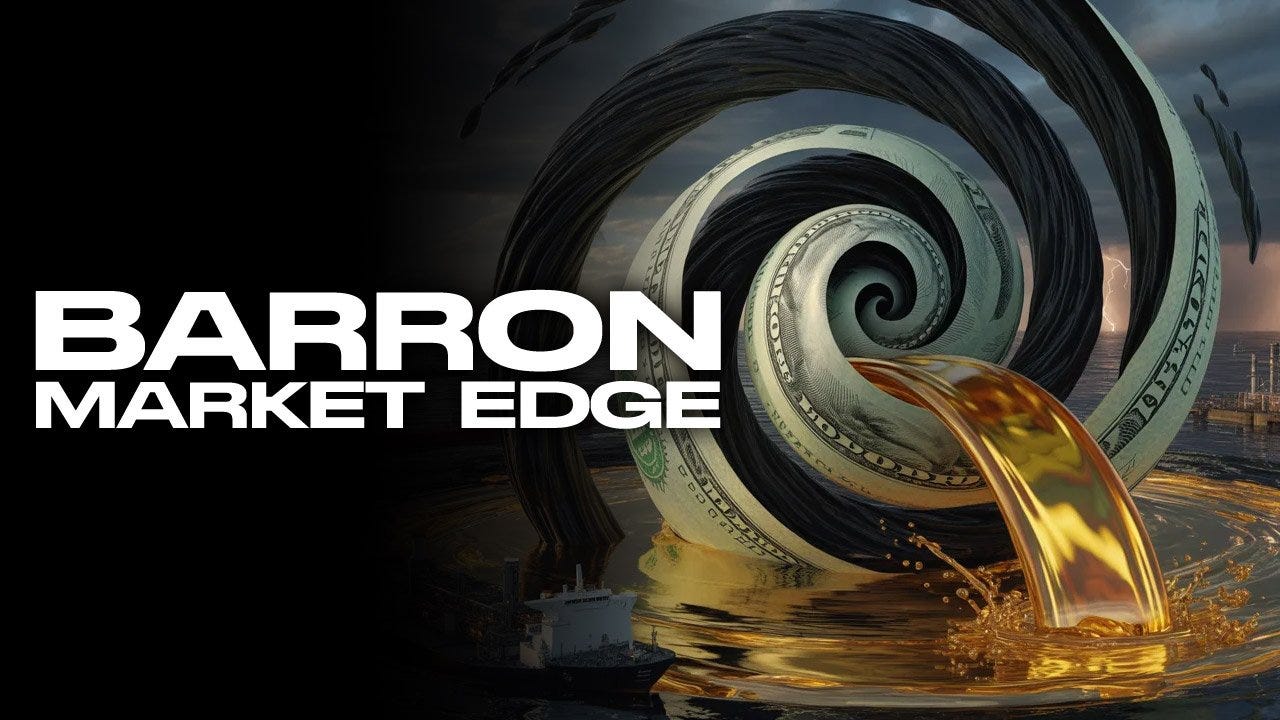
The American dream was built on a stable dollar, but in 2026, that foundation is cracking under the weight of $35 trillion in debt and a geopolitical landscape that has turned hostile toward the greenback. We are witnessing a “triple threat” to your purchasing power: a debt-fueled debasement, a permanent energy-driven inflation floor, and the specter of a mathematical default. Here is why the “train” has no brakes—and how to jump off before the crash.
The Debt Trap: Why Default is a Mathematical Certainty
The U.S. national debt is no longer just a “big number”; it is a systemic parasite. As of early 2026, the Congressional Budget Office (CBO) confirms that net interest payments on our debt have surpassed $1 trillion annually.
The Doom Loop: To pay the interest on old debt, the Treasury must issue new debt. As interest rates remain elevated to fight inflation, the cost of servicing that debt explodes.
The Invisible Default: A “hard default” (refusing to pay) is unlikely because the U.S. can print its own currency. Instead, we are seeing a soft default: the government pays you back in dollars that buy 50% less than they did when you lent them. This is the “debasement trade”—the intentional erosion of the currency’s value to “shrink” the debt’s real-world cost.
The Energy Catalyst: War and the New Inflation Floor
For decades, globalization provided “cheap” goods and “cheap” energy. Those days are over. The 2026 conflict in the Middle East has proven that energy security is the new global currency.
The Iran Effect: Disruptions in the Strait of Hormuz have pushed oil and gas prices to structural highs. Unlike cyclical spikes of the past, this is a supply-side shock that acts as a permanent tax on every sector of the economy.
Embedded Inflation: When energy costs rise, the cost of everything—from the plastic in your phone to the fertilizer for your food—rises with it. Even if the Fed keeps interest rates high, they cannot “print” more oil or gas. This creates a “sticky” inflation that eats the dollar from the inside out.
The Defense: Gold and Digital Assets
If the dollar is a melting ice cube, where do you move your wealth? The market is currently signaling two primary lifeboats: Gold and Digital Assets (Bitcoin/Crypto).
The Case for Gold:
The Neutral Reserve In 2026, central banks are dumping U.S. Treasuries at record rates, replacing them with physical gold. Gold is the only financial asset that is not someone else’s liability. It cannot be printed, and it has no “counterparty risk” if a government fails.
Strategic Asset: Gold has hit all-time highs this year because it thrives in “fiscal dominance”—environments where the government spends more than it earns.
The Case for Digital Assets:
The Digital Scarcity Bitcoin has evolved from a speculative tech play into “Digital Gold.” In a world where the dollar is debased at the whim of a printing press, Bitcoin offers a fixed supply.
Permissionless Protection: Unlike a bank account that can be frozen or a currency that can be devalued by policy, digital assets operate on a global, decentralized ledger. They are the “opt-out” mechanism for a failing fiat system.
The Verdict: No One is Coming to Save the Dollar
Politicians on both sides of the aisle have shown zero appetite for the “fiscal austerity” required to fix the debt. They cannot cut spending without causing a recession, and they cannot raise taxes enough to cover the interest.
The train has left the station. The dollar will continue to be debased to keep the system afloat. Your only defense is to own assets that the government cannot print into oblivion.
Here is a 5-step checklist to build your personal firewall against a devaluing dollar.
The “train” of debasement is moving fast, but you don’t have to be on it when it reaches the end of the line. Transitioning from a system of counterparty risk (relying on banks and governments) to a system of self-sovereignty is the only way to protect your labor’s value.
1. Establish Self-Custody of Digital Assets
The phrase “not your keys, not your coins” is the golden rule of 2026. If your Bitcoin is on an exchange (like Coinbase or Binance), you don’t own the asset—you own a “claim” that can be frozen or lost in a bankruptcy.
The Move: Purchase a hardware wallet (e.g., Ledger, Trezor, or Coldcard) directly from the manufacturer.
The Action: Move your assets to your cold storage device. This removes the “middleman” risk, ensuring your wealth exists on the blockchain under your direct control.
2. Acquire Physical Gold (and Silver)
Digital assets provide portability, but physical gold provides a “system-off” insurance policy. Gold has no plug; it doesn’t require the internet or a power grid to hold its value.
The Move: Focus on “sovereign bullion”—government-minted coins like the American Eagle or Canadian Maple Leaf. These are globally recognized and much harder to counterfeit than generic bars.
The Action: Store it yourself in a high-quality home floor safe or a private, non-bank vault. Avoid “paper gold” (ETFs like GLD), which are just more dollar-denominated contracts.
3. Minimize “Counterparty Risk” in Cash
In a debt-trap scenario, banks are often the first to feel the squeeze. If the government “soft-defaults” through inflation, your savings account is the sacrificial lamb.
The Move: Adopt the 90/10 Storage Strategy. Keep only what you need for 3–6 months of expenses in the traditional banking system.
The Action: Move the rest of your “long-term energy” into hard assets. Treat your bank account as a transit point, not a storage locker.
4. Secure Your “Seed Phrase” (The Master Key)
When you move to self-custody, you become your own bank—which means you are also your own security guard. Your 12 or 24-word seed phrase is the only way to recover your digital wealth.
The Move: Upgrade from paper to steel. Paper burns and rots; stainless steel or titanium seed plates (like Cryptosteel) survive fires and floods.
The Action: Store your backup in a geographically separate location from your hardware wallet. If your house has an issue, your wealth remains recoverable from the backup.
5. Diversify into “Productive” Scarcity
While gold and Bitcoin protect value, inflation also hits the cost of living (energy/food).
The Move: If you have the means, look into “real-world assets” (RWAs) that produce yield independent of the dollar—such as energy-producing land, REITS that own infrastructure, or even simple bulk storage of non-perishables.
The Action: Think of your portfolio as a pyramid: Gold and Bitcoin at the base for stability, and productive assets at the top for growth.
Quick Pro-Tip: When buying gold or digital assets, use Dollar Cost Averaging (DCA). Don’t try to time the “top” of the inflation cycle. Set a monthly amount and buy regardless of the price—this smooths out the volatility of a crashing currency.
Disclaimer: This report is for informational and educational purposes only and does not constitute financial, investment, or legal advice. The analysis provided represents a specific window into Barron Capital’s internal strategies and market outlook. Investing in digital assets and high-growth equities involves significant risk. Past performance is not indicative of future results. Please consult with a qualified financial professional before making any investment decisions.