



WTI Crude Oil Soars: Price Holds Near $92.00 as Strait of Hormuz Crisis Constrains Global Supply
 INSURANCE
 FTR
FTR
 UTED
UTED
 DAILY
DAILY
 WOULD
WOULD
BitcoinWorld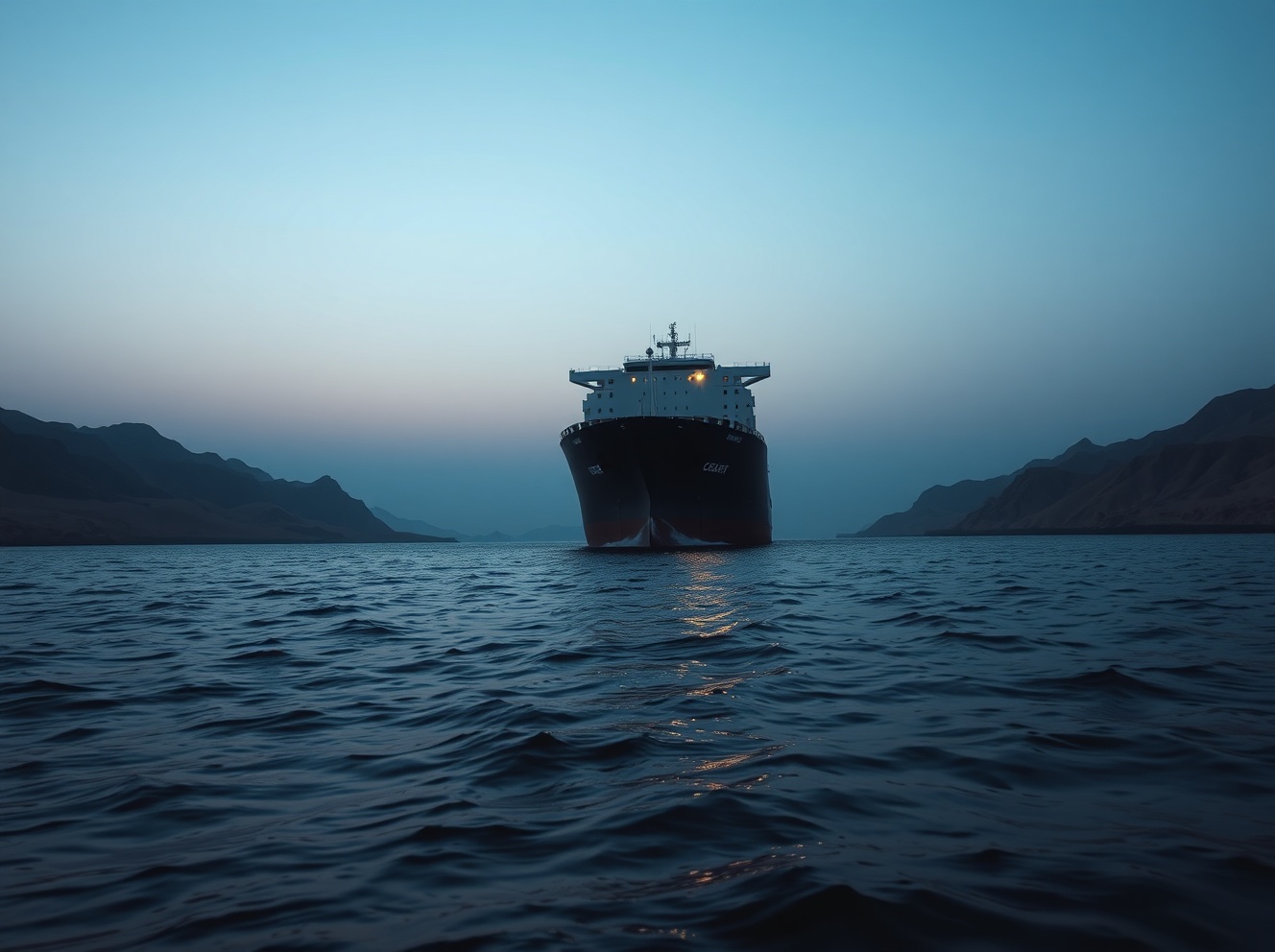
WTI Crude Oil Soars: Price Holds Near $92.00 as Strait of Hormuz Crisis Constrains Global Supply
Global energy markets remain on edge as West Texas Intermediate (WTI) crude oil futures consolidate significant gains, trading firmly near the $92.00 per barrel mark. This price resilience follows escalating tensions and reported shipping constraints in the Middle East’s critical Strait of Hormuz, a maritime chokepoint for approximately 21% of global petroleum liquids consumption. Consequently, traders and analysts are closely monitoring the situation for potential supply disruptions.
WTI Price Action and Market Drivers
WTI, the U.S. crude benchmark, has demonstrated remarkable strength in recent sessions. The commodity breached the psychologically significant $90.00 level decisively before finding support near $92.00. This upward trajectory is not an isolated event. Instead, it reflects a confluence of structural and geopolitical factors pressuring global supply chains. Furthermore, active voice construction clearly shows market forces driving the price change.
Several key drivers underpin this bullish sentiment. First, ongoing geopolitical friction in the Middle East has reintroduced a substantial risk premium into oil prices. Second, voluntary production cuts by OPEC+ members continue to tighten physical market balances. Third, seasonal demand factors and refinery maintenance schedules are creating localized supply tightness. Analysts from leading commodity banks cite these elements as primary catalysts.
- Geopolitical Risk Premium: Renewed tensions have added an estimated $5-$8 per barrel to current prices.
- OPEC+ Discipline: The producer group maintains output cuts exceeding 2 million barrels per day.
- Inventory Draws: U.S. commercial crude stocks have fallen for three consecutive weeks.
The Strait of Hormuz: A Critical Global Chokepoint
The Strait of Hormuz represents the world’s most important oil transit corridor. This narrow waterway, situated between Oman and Iran, connects the Persian Gulf with the Gulf of Oman and the Arabian Sea. Every day, an average of 20.5 million barrels of oil pass through this artery. That volume represents about one-fifth of global oil demand. Therefore, any disruption here sends immediate shockwaves through international energy markets.
Recent maritime incidents and heightened military posturing have raised alarm. Naval patrols have increased, and some shipping firms are advising caution. The strait’s geography makes it inherently vulnerable. At its narrowest point, the shipping lanes are just two miles wide, separated by traffic separation schemes. This constraint means tankers must navigate carefully in single file, creating a natural bottleneck. Historical data shows even perceived threats can spike insurance costs and delay shipments.
| Destination Region | Volume (Million Barrels/Day) | Primary Exporters |
|---|---|---|
| Asia (China, India, Japan, S. Korea) | ~16.0 | Saudi Arabia, UAE, Iraq, Kuwait |
| Europe | ~3.0 | Saudi Arabia, Iraq, UAE |
| United States & Americas | ~1.5 | Saudi Arabia, Kuwait |
Expert Analysis on Supply Chain Vulnerability
Energy security specialists emphasize the strait’s systemic importance. “The Strait of Hormuz is not just another trade route; it is the central nervous system for global oil supply,” explains Dr. Anya Sharma, a senior fellow at the Global Energy Institute. “Its vulnerability stems from concentrated export infrastructure, limited alternative routes, and persistent regional tensions. A closure, while unlikely, would require immediate activation of strategic petroleum reserves worldwide.”
Alternative pipelines exist but lack sufficient capacity to handle a full diversion. The Abu Dhabi Crude Oil Pipeline can bypass the strait, moving up to 1.5 million barrels per day to the Fujairah terminal on the Gulf of Oman. Similarly, the Petroline in Saudi Arabia has reversal capability. However, combined, these alternatives would compensate for less than 15% of the strait’s normal flow. This stark reality underscores the market’s acute sensitivity to news from the region.
Broader Market Impacts and Future Outlook
Sustained high oil prices inevitably ripple through the global economy. Transportation costs rise first, impacting logistics and consumer goods. Subsequently, manufacturing and industrial production face higher input costs. Central banks, already grappling with inflation, must consider the secondary effects of energy-led price pressures. The current price environment tests the resilience of post-pandemic economic recovery.
Market participants are now evaluating several forward-looking scenarios. A de-escalation in the region could see the risk premium rapidly unwind, pulling WTI back toward the mid-$80s. Conversely, further constraints or incidents could propel prices toward the $100 threshold. Traders will scrutinize weekly inventory data from the U.S. Energy Information Administration and shipping tracking reports for clues. The forward price curve for WTI currently shows backwardation, indicating immediate supply concerns.
Conclusion
The WTI crude oil price holding near $92.00 serves as a stark barometer of geopolitical and supply-side anxieties. The Strait of Hormuz situation remains the focal point for market volatility, highlighting the fragile nature of global energy logistics. While alternative supplies and strategic reserves provide a buffer, the fundamental geography and politics of the region ensure it will remain a persistent flashpoint. Consequently, energy market stability in the coming months hinges significantly on secure and unimpeded transit through this vital waterway.
FAQs
Q1: Why is the Strait of Hormuz so important for oil prices?
The strait is the world’s most critical oil transit chokepoint, handling about 21% of global consumption. Any threat to shipping there immediately raises fears of supply shortages, causing traders to bid up prices in anticipation.
Q2: What is the ‘risk premium’ in oil prices?
A risk premium is the additional amount buyers are willing to pay for a barrel of oil due to the perceived threat of future supply disruption. It is not based on current physical shortage but on the potential for one.
Q3: Are there alternative routes for Middle Eastern oil if the strait closes?
Yes, but capacity is severely limited. Pipelines like the Abu Dhabi Crude Oil Pipeline and the Saudi Petroline can divert some oil, but they could not handle the volume currently shipped by tanker through the strait.
Q4: How do high WTI prices affect U.S. consumers?
Higher crude oil prices lead to increased costs for gasoline, diesel, and jet fuel. This raises transportation and manufacturing costs, which can filter through to higher prices for a wide range of goods and services.
Q5: What happens to oil prices if tensions in the Strait of Hormuz ease?
If the geopolitical threat diminishes, the risk premium embedded in the current price would likely erode. This could lead to a swift correction in WTI prices, potentially moving them several dollars lower, all else being equal.
This post WTI Crude Oil Soars: Price Holds Near $92.00 as Strait of Hormuz Crisis Constrains Global Supply first appeared on BitcoinWorld.
