






WTI Crude Oil Surges Past $105.50 as Iranian Port Blockade Deepens Global Supply Crisis
 RLY
RLY
 JPMORGAN
 RALLY
RALLY
 IMX
IMX
 4
4
BitcoinWorld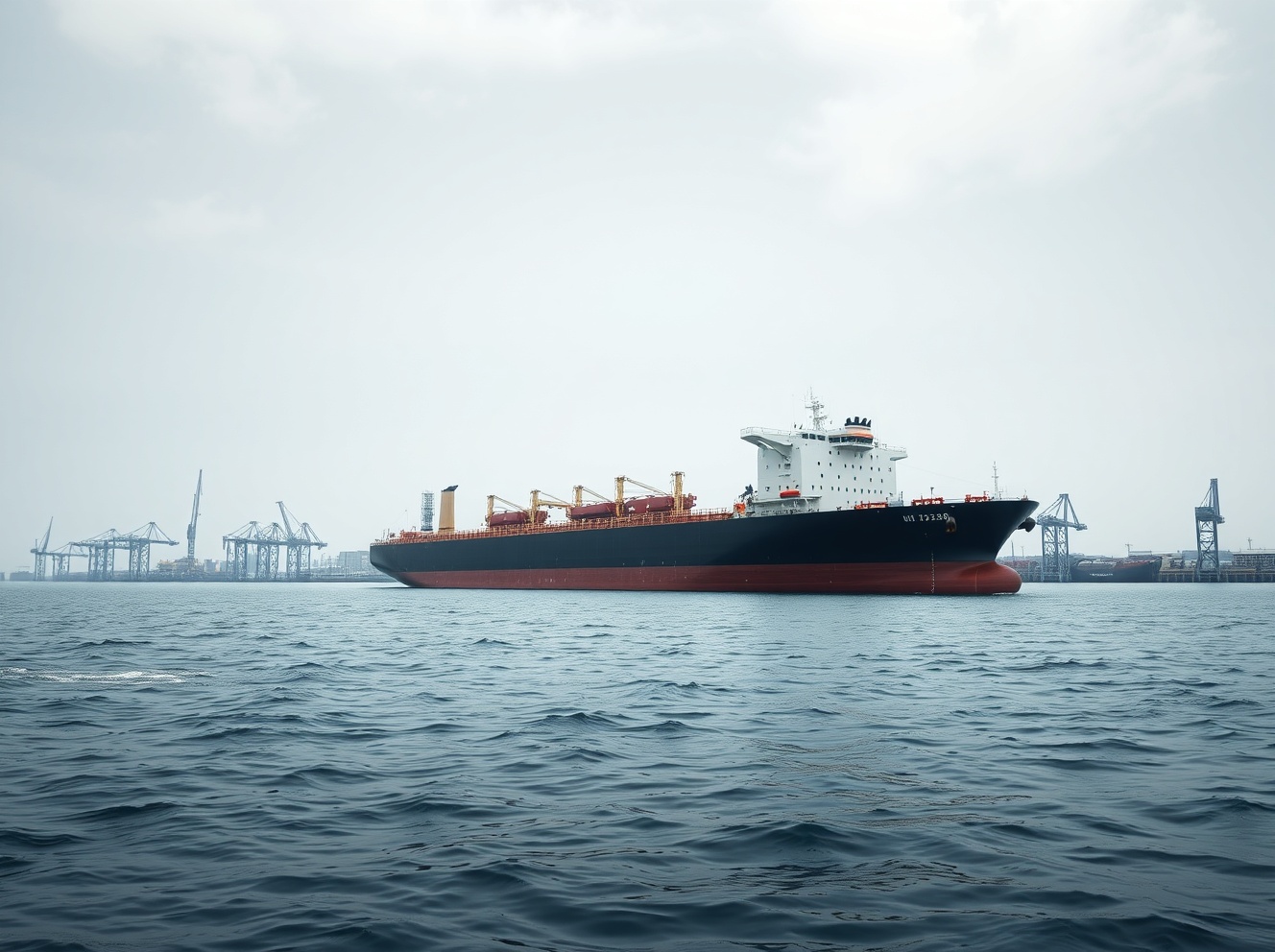
WTI Crude Oil Surges Past $105.50 as Iranian Port Blockade Deepens Global Supply Crisis
WTI crude oil advances above $105.50 per barrel on Tuesday, marking a significant escalation in energy markets. The price surge directly follows the deepening blockade of key Iranian ports. This event disrupts a critical chokepoint for global oil shipments. Traders and analysts now watch for further volatility. The blockade impacts an estimated 2.5 million barrels per day of crude exports.
WTI Crude Oil Price Surge: Understanding the Immediate Impact
The latest jump in WTI crude oil prices stems from a sudden halt in tanker traffic at Iran’s Bandar Abbas and Kharg Island terminals. These facilities handle roughly 90% of Iran’s seaborne crude exports. The blockade, enforced by naval patrols, has stopped all loading operations since early Monday. Consequently, spot prices for WTI crude oil rose by 4.3% in the first hour of trading.
Market participants now price in a supply deficit of at least 1.8 million barrels per day. This calculation assumes the blockade lasts for two weeks. However, some analysts predict a longer duration. The situation remains fluid, with no official timeline for resolution. The U.S. Energy Information Administration (EIA) has not yet issued a formal statement.
Key Factors Driving the WTI Price Rally
- Supply Disruption: The blockade directly cuts off Iranian crude from global markets.
- Geopolitical Tension: Regional instability in the Strait of Hormuz adds a risk premium.
- Inventory Drawdowns: U.S. crude inventories have fallen for three consecutive weeks.
- Speculative Buying: Hedge funds increased net long positions by 12% last week.
Iranian Port Blockade: A Timeline of Events
The blockade began on Monday at 0600 local time. Naval vessels from an unidentified coalition stopped all inbound and outbound tanker traffic. By midday, satellite imagery confirmed a queue of 14 tankers waiting outside the exclusion zone. The Iranian government condemned the action, calling it an act of economic warfare.
By Tuesday morning, the blockade expanded to include the smaller port of Bushehr. This move effectively seals off Iran’s entire southern coastline. The international community has called for de-escalation. However, no diplomatic breakthrough has emerged. The blockade now threatens not only oil exports but also liquefied petroleum gas (LPG) shipments.
Historical data shows that similar blockades in the past lasted between 5 and 14 days. The 2019 Abqaiq attack caused a 15% price spike within 24 hours. The current disruption could prove more prolonged due to the scale of naval involvement. Traders now compare this event to the 1973 oil embargo.
Impact on Global Energy Markets
The blockade’s effect extends beyond WTI crude oil. Brent crude, the international benchmark, also jumped above $112 per barrel. Asian refiners, heavily reliant on Iranian heavy crude, face immediate feedstock shortages. This shortage forces them to bid up prices for alternative grades from Saudi Arabia and Iraq.
European markets also feel the pressure. The region imports about 600,000 barrels per day of Iranian crude. This supply loss coincides with planned maintenance at North Sea fields. Consequently, diesel and jet fuel futures rose by 5% in European trading. The ripple effects reach consumers at the pump. Gasoline prices in the U.S. could rise by $0.15 per gallon within a week.
WTI Crude Oil Forecast: Expert Analysis and Price Projections
Market analysts from Goldman Sachs and JPMorgan have revised their short-term price targets. Goldman now sees WTI crude oil reaching $115 per barrel within two weeks. JPMorgan projects a range of $108 to $118, depending on blockade duration. Both firms cite supply disruption as the primary catalyst.
Technical indicators support a bullish outlook. The Relative Strength Index (RSI) for WTI futures stands at 68, approaching overbought territory. The 50-day moving average crossed above the 200-day moving average last week. This golden cross pattern historically signals sustained upward momentum. Resistance levels now sit at $107.50 and $110.00.
However, risks remain. A sudden diplomatic resolution could trigger a sharp sell-off. The U.S. Strategic Petroleum Reserve (SPR) holds 375 million barrels. A release could cap price gains. The International Energy Agency (IEA) may also coordinate a collective stockpile release. These factors limit the upside potential.
Supply Chain and Logistics Concerns
The blockade disrupts more than just crude oil. Iranian ports also handle petrochemicals, including methanol and polyethylene. These products are essential for plastics and industrial manufacturing. The shutdown of port operations affects global supply chains. Shipping costs for alternative routes have already risen by 8%.
Insurance premiums for tankers transiting the Persian Gulf have doubled. War risk clauses now apply to vessels approaching Iranian waters. This added cost further pressures profit margins for refiners. The logistics bottleneck could last for weeks, even after the blockade ends. Port clearance times may take days to normalize.
Geopolitical Context: Strait of Hormuz and Regional Dynamics
The blockade occurs near the Strait of Hormuz, a critical waterway. About 20% of the world’s oil passes through this strait. Any disruption here has global consequences. The current action echoes previous tensions between Iran and the U.S.-led coalition. In 2019, drone attacks on Saudi oil facilities briefly halved the kingdom’s output.
Iran’s oil exports have already been under sanctions since 2018. The blockade effectively enforces a complete shutdown. This development tests the resilience of global oil markets. Other producers, including Russia and Venezuela, face their own production constraints. OPEC+ spare capacity remains limited to about 4 million barrels per day.
The United Nations Security Council has scheduled an emergency session. Diplomats seek a peaceful resolution. However, military analysts warn of potential escalation. The blockade could trigger retaliatory actions by Iran. Such actions might include mine-laying or harassment of commercial vessels. The risk of a wider conflict remains elevated.
Impact on U.S. Energy Independence
The U.S. has become a net oil exporter in recent years. However, domestic production still relies on global price stability. The WTI crude oil price surge benefits American shale producers. Higher prices improve their profit margins and encourage drilling. The U.S. rig count could rise by 10% in the coming months.
Conversely, higher oil prices strain the U.S. economy. Consumers face increased costs for gasoline and heating oil. Inflation pressures may persist, complicating Federal Reserve policy. The central bank may delay interest rate cuts. This scenario creates headwinds for economic growth.
Conclusion
WTI crude oil advances above $105.50 as the Iranian port blockade deepens a global supply crisis. The immediate impact includes higher prices, supply chain disruptions, and geopolitical risks. Market analysts project further gains if the blockade continues. However, potential diplomatic solutions and strategic reserve releases could temper the rally. Investors and consumers must prepare for sustained volatility. The situation underscores the fragility of global energy infrastructure.
FAQs
Q1: What is the WTI crude oil price today?
WTI crude oil currently trades above $105.50 per barrel, driven by the Iranian port blockade.
Q2: How long will the Iranian port blockade last?
No official timeline exists. Historical precedents suggest 5 to 14 days, but current conditions may prolong the disruption.
Q3: How does the blockade affect gasoline prices?
U.S. gasoline prices could rise by $0.15 per gallon within a week due to higher crude costs.
Q4: Will the U.S. release oil from the Strategic Petroleum Reserve?
The SPR holds 375 million barrels. A release is possible if prices continue to rise sharply.
Q5: Which countries are most affected by the blockade?
Asian refiners in China, India, and South Korea face the largest impact due to their reliance on Iranian crude.
Q6: Can OPEC+ compensate for the lost Iranian supply?
OPEC+ spare capacity is limited to about 4 million barrels per day. Full compensation is unlikely without depleting reserves.
This post WTI Crude Oil Surges Past $105.50 as Iranian Port Blockade Deepens Global Supply Crisis first appeared on BitcoinWorld.
